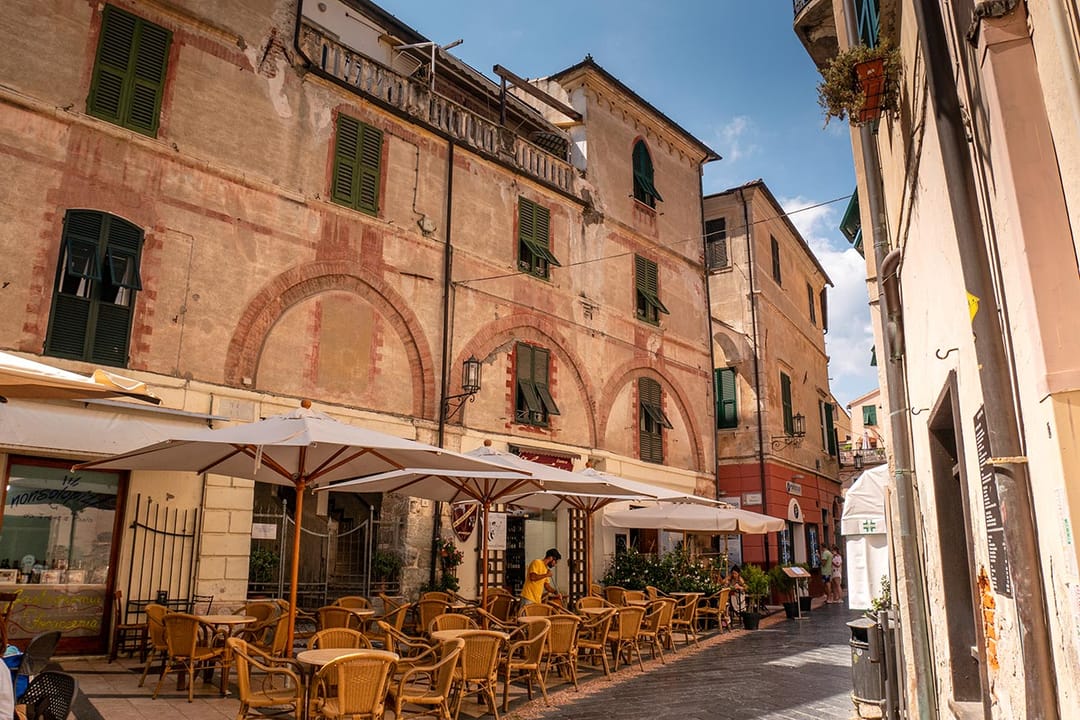
What to see in Noli
Towers, Romanesque churches, the Loggia della Repubblica and the medieval houses: all the monuments of the old town of Noli, in one guide.
Read the guide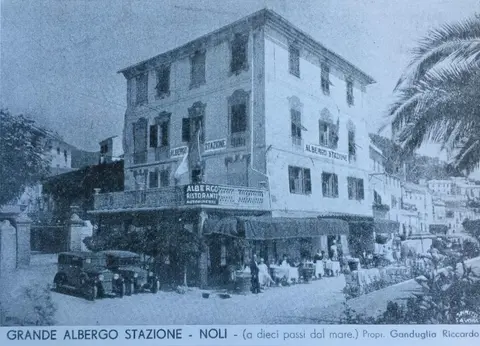
One of Italy’s most beautiful seaside villages: medieval lanes, a Blue Flag beach, coastal trails and Ligurian cooking. Our guides to take Noli slowly, one day at a time.
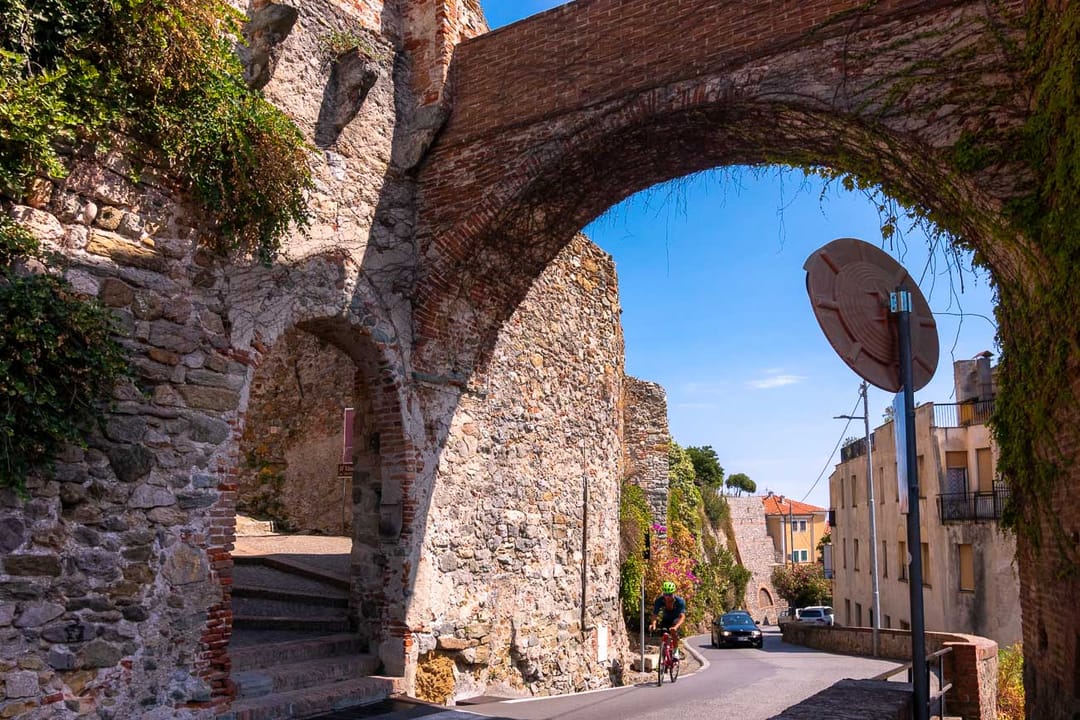
Featured · The old town
Lanes, medieval towers and the history of an ancient maritime republic. A walk through the historic centre, right from the hotel door.
The guides
Towers, Romanesque churches, the Loggia della Repubblica and the medieval houses: all the monuments of the old town of Noli, in one guide.
Read the guide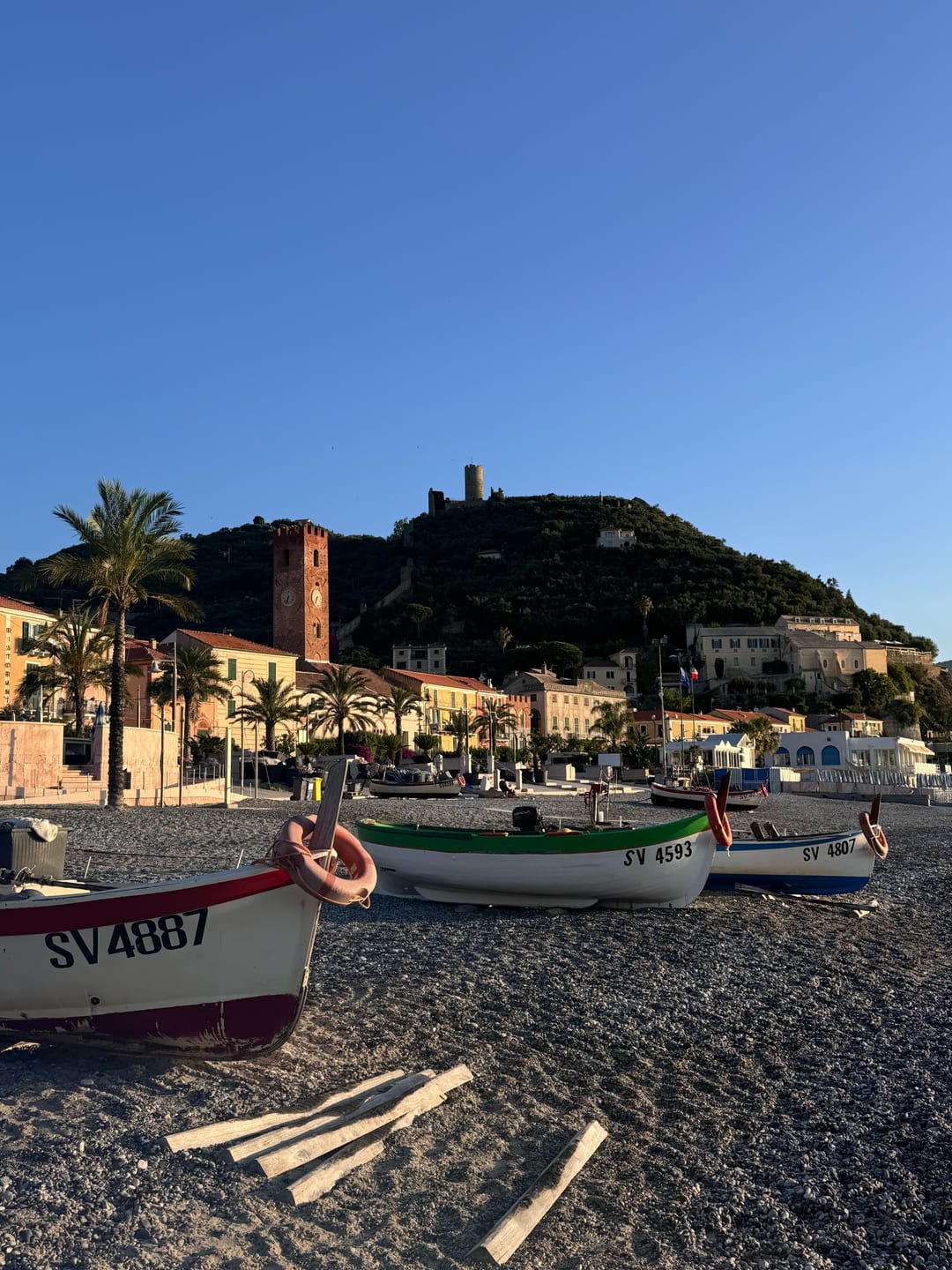
Blue Flag and Green Flag 2026 waters, a sheltered bay and a gentle seabed: the sea at Noli is made for families too.
Read the guide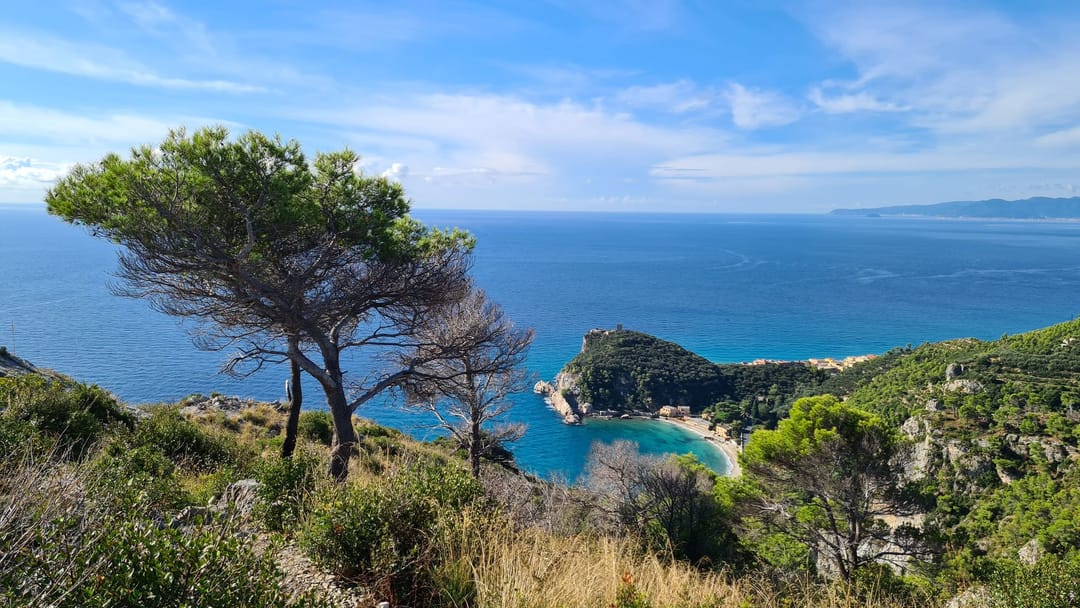
The Sentiero del Pellegrino, Capo Noli and the Finale cliffs: trekking and climbing above the sea, straight from the old town.
Read the guide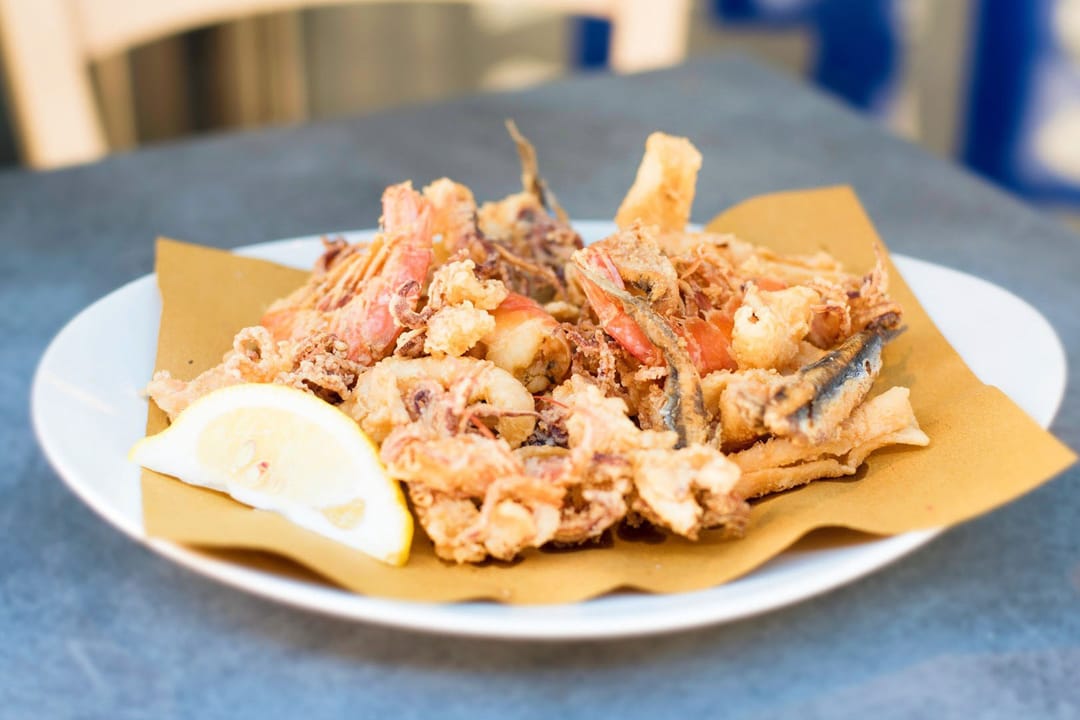
Three places we genuinely recommend to our guests: casual, a fish classic and one Michelin star. With a map.
Read the guide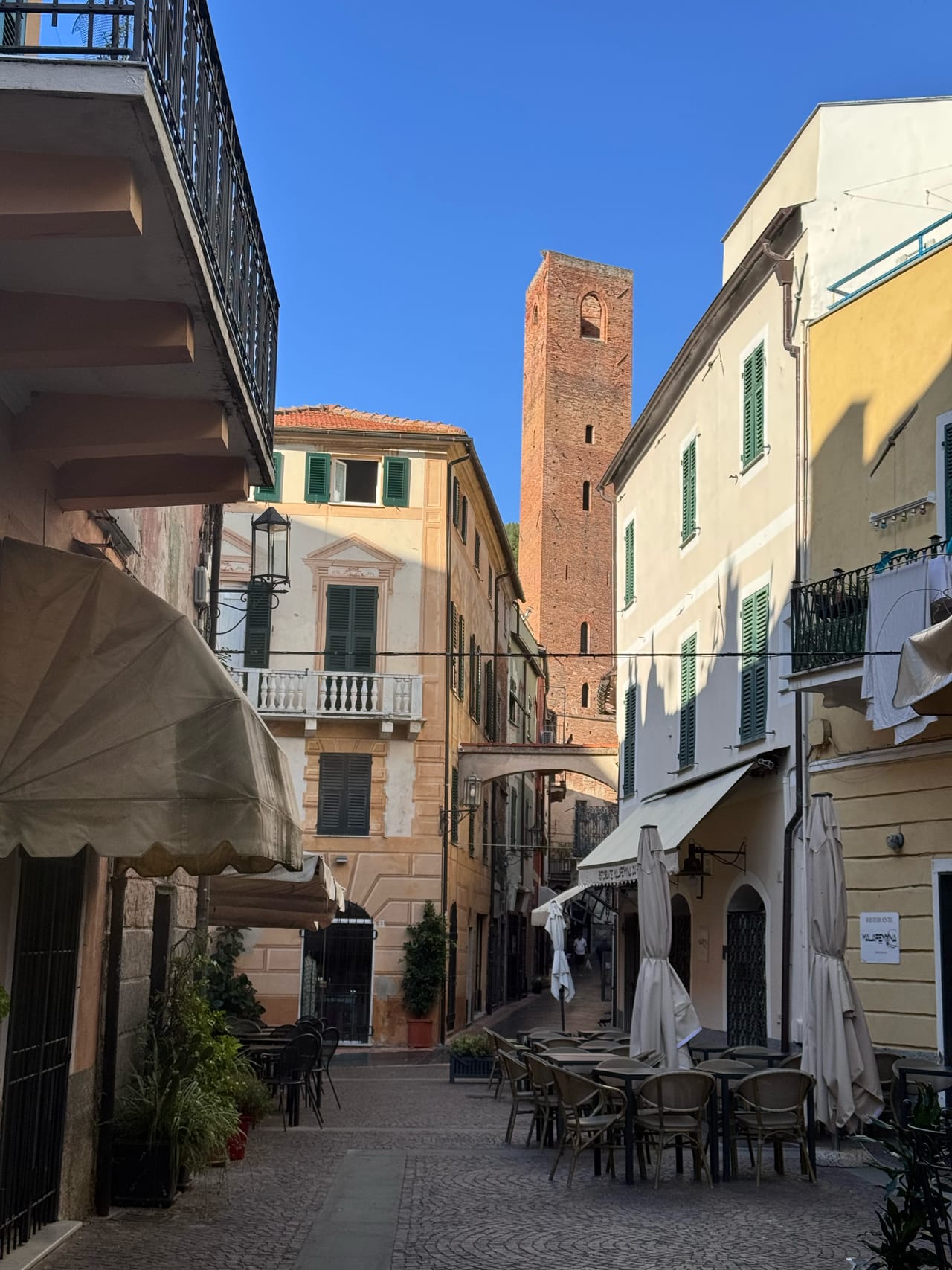
By train, car, bus or plane: Spotorno-Noli station, the A10 exit, line 40 and Genoa airport. With parking and arrival tips.
Read the guide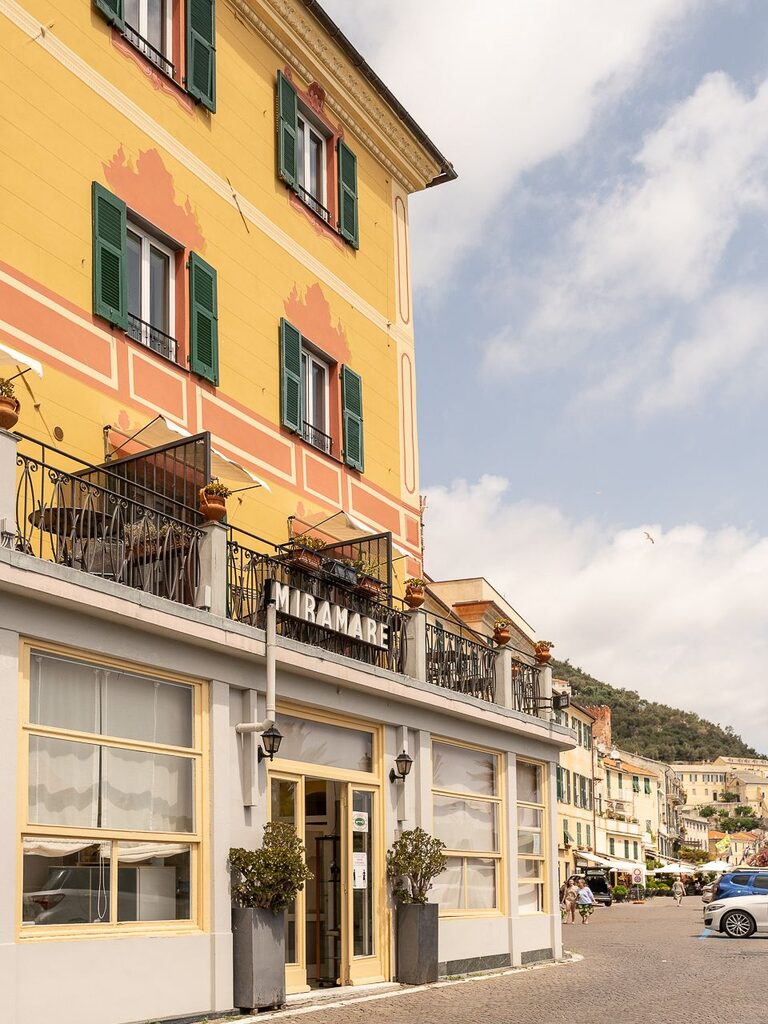
Sea-view rooms and apartments in the historic centre, at Hotel Miramare: location, when to come and how to get here.
Find out moreFrequently asked questions
Yes. Noli was awarded the 2026 Blue Flag for four bathing areas: Le Cave/Capo Noli, Zona Vittoria, Zona Anita and Chiariventi. In 2026 Liguria is the most awarded Italian region, with 35 certified municipalities.
Yes. Noli is certified Green Flag 2026 by Italian paediatricians (one of the 4 beaches awarded in Liguria), who assess safety, clean water and services for children. The Bagni Vittoria beach club offers a nursery, babysitting, sailing courses and dedicated play areas.
The Spiaggia dei Pescatori, in the heart of the medieval old town, is the main beach: fine sand mixed with gravel and pebbles, excellent water quality certified Blue Flag 2026. A parasol with two sun loungers costs between €25 and €50 a day. For those after hidden coves, Capo Noli has small inlets reachable on foot or by boat.
Noli has one restaurant in the Michelin Guide: Ristorante Vescovado (1 star, chef Giuseppe Ricchebuono, tasting menu €90–160). For traditional fish cuisine, Da Pino L'Originale (open since 1978), Malafemmina Da Ferdi (#1 on TripAdvisor), Da Giorgio with its tables in the shade of the lemon tree, and Ristorante Ines (family-run since 1950) are all solid options in the historic centre.
The signature dishes of the area are: trofie with PDO Genoese pesto, stockfish buridda (the Savona version with beetroot, olives and anchovies), brandacujun (creamed stockfish with potatoes and Ligurian oil), pansotti with walnut sauce, Ligurian focaccia. To drink: Pigato DOC and Vermentino DOC from the western Ligurian Riviera. The salted anchovies of the Ligurian Sea carry a regional PGI certification.
The Sentiero del Pellegrino (Noli to Varigotti) is the best-known route: about 6 km, 2 to 3 hours, +350 m elevation gain, difficulty E (hiking, CAI scale). Along the way you find the Grotta dei Falsari (a window in the sheer sea cliffs, a former smugglers' refuge), the Torre delle Streghe (1582) and the Baia dei Saraceni. Recommended between October and May to avoid the heat.
By train: the nearest station is Spotorno-Noli (Genoa to Ventimiglia line), a short distance from the centre. By bus: line 40 of TPL Linea connects Savona to Finale Ligure via Noli (toll-free number 800 808 288). By car: from Genoa Cristoforo Colombo Airport it is about 66 km by road (not 30 to 40 as often stated). Paid parking (blue lines, 8:00 to 24:00 in summer) in the centre and free parking in the nearby areas.
Yes, Noli is the fifth and least known of the Italian Maritime Republics. Independence was sanctioned on 7 August 1192 in the church of San Paragorio, when Enrico II del Carretto ceded the castle of Segno to the free commune. The Republic remained an equal ally of Genoa from 1202 and came to an end on 2 December 1797 with the arrival of Napoleon. In 1239 Pope Gregory IX raised Noli to an independent diocese, a status it held until 1820.
In the Middle Ages Noli had 72 defensive towers. Four survive: the Torre del Canto (or dei Quattro Canti, 38 m, the tallest), the Torre del Comune, the Torre Peluffo (24 m, with its top removed) and the Torre Papone (19 m). The old town is recognised among the Borghi più Belli d'Italia (ANCI).
A walking itinerary in the historic centre includes: Porta di Piazza (the medieval gate), the Co-Cathedral of San Pietro, the Loggia della Repubblica and the Palazzo del Comune, the four surviving towers (Torre del Canto, Torre del Comune, Torre Peluffo, Torre Papone), the climb to the Castello di Monte Ursino (about a 30-minute visit with museum), and the visit to the Romanesque Church of San Paragorio (a National Monument since 1890).
Noli Medievale traditionally takes place around 23 to 25 June and includes the Regata Storica dei Rioni between the four districts of the old town (Burgu/yellow, Ciassa/red, Maina/blue, Purtellu/white). The regatta was moved from September to June in 2015. In September (13 September 2026) the Italian Open Water Tour Challenge is held instead, an open-water swimming race in the bay.
Yes. The Capo Noli cliffs are part of the Finale Outdoor Region, one of the most important sport-climbing destinations in Europe (4000+ routes). Easy Dalle is the sector best suited to beginners and families (11 routes, difficulty 3a to 6b, sea view, in the shade in the afternoon). For experts: Nolitudine (cliffs plunging into the sea, reached by abseil and traverse) and the Pilastri (vertical walls about 25 m).
Your stay
The starting point for all of this: where to stay in Noli, in the old town, between sea-view rooms and apartments.